661-466-5287
Valencia Insulation Experts Insulation Contractor in Kearny Valencia, CA work in Kearny Valencia, CA
20 miService Radius Around Valencia
R-38–R-49Attic Target for Climate Zone 9
$0Cost for Your Quote
7Insulation Services Offered
Overview

We know the homes here. In Valencia Hills and Old Orchard, the 1960s ranch homes often still have their original batts. In Valencia Summit and Northpark, we usually find compressed blown fiberglass left behind by past HVAC and solar crews. In Bridgeport and Westridge, the bonus rooms over the garage cook every afternoon. Each era needs a different fix. We look at your attic first, walk you through what we find in plain language and give you honest pricing before any work starts.

  • Bonded
  • Fully insured
  • Financing available
  • Free, no-obligation quotes
  • Serving homes within a 20-mile radius of Valencia
  • Local team focused on Santa Clarita Valley homes
Why local

Why Valencia Homes Need Better Insulation

Valencia isn't coastal LA. Summers in this inland valley run hotter, winter nights get colder, and the dry air, wind and wildfire smoke all wear on attics. Add decades of settling, rodents and solar or HVAC work, and many local homes end up far below current insulation standards.

Inland Valley Heat, Cold Nights and Santa Ana Winds

Valencia sits at roughly 1,100–1,500 feet in an inland valley. July and August highs regularly reach the mid-to-upper 90s, and heat waves push past 100–110°F. On those days, unvented attics under concrete tile or composition roofs can go well above 140°F, and that radiant heat moves straight into upstairs ceilings. Winter flips the problem around. Overnight lows often drop into the upper 30s and 40s, and frost shows up on the valley floor, so your insulation has to hold heat in too. Rainfall is only about 15–18 inches a year, nearly all of it between November and March. Because it's so dry, dust builds up in attics and loose fill settles over time. Santa Ana winds then push fine dust, smoke and ash through unsealed can lights, top plates and attic hatches.

Six Decades of Master-Planned Housing

Newhall Land started building Valencia in the mid-1960s, so homes here fall into clear eras. First-phase tracts like Valencia Hills, Old Orchard, Valencia Meadows and Valencia Glen often still have original batts that have dropped to around R-11 to R-19 or less. Many have bare walls, single-pane aluminum windows and leaky ducts in the attic. The 1980s–1990s neighborhoods, including Valencia Summit, Northpark and much of Saugus and Canyon Country, usually have tile roofs and attic ductwork over blown fiberglass that's been crushed by service work, rodents or post-Northridge earthquake repairs. Newer communities like Bridgeport, Northbridge, Westridge and Tesoro del Valle were built to tighter Title 24 standards. Even so, vaulted ceilings, bonus rooms over garages and solar installs still create hot spots.

Title 24, Climate Zone 9 and Local Permitting

The Santa Clarita Valley is in California Building Climate Zone 9, and Title 24 Part 6 calls for high ceiling-insulation levels here, roughly R-38 to R-49 depending on the project. A simple attic top-off usually involves little oversight. Bundling insulation with HVAC replacement, duct work, re-roofing or electrical changes is different. That can bring in permits, air-sealing requirements and HERS duct-leakage testing. Most Valencia addresses go through the City of Santa Clarita's Building & Safety Division. Stevenson Ranch, Castaic, Val Verde and parts of West Ranch fall under LA County Public Works. In Very High Fire Hazard Severity Zones, Chapter 7A wildfire rules require ember- and flame-resistant vents for new work and certain alterations. HOAs generally review exterior changes like vents rather than the attic insulation itself.

What Valencia Homeowners Are Looking For

Santa Clarita has more than 200,000 residents, and Valencia's owner-occupied, family-focused neighborhoods tend to plan for the long term. Many residents commute on I-5 or SR-14, so their homes sit closed up and heat-soaking all day, then need to cool fast during peak-rate hours. Long-time owners in 1970s–90s homes are upgrading for retirement comfort. Newer buyers adding solar and EV chargers want to know about efficiency and rebates. Both groups do their research, and they want photos of their attic, a clear explanation of R-values and a straight answer on cost.

Services

Insulation Services for Santa Clarita Valley Homes

Every service below is set up for Valencia conditions: long cooling seasons, radiant heat from tile roofs, dry dusty attics, rodents and wildfire smoke. We pick the material and method based on what's actually in your attic, not on whatever product is easiest to sell.

Attic InsulationFeatured

We bring your attic up to the R-38 to R-49 range that Climate Zone 9 calls for. That starts with sealing the gaps that let hot air, dust and smoke move between the attic and your rooms, then building an even, full-depth layer.

How we do it
Before adding any material, we air-seal top plates, can lights, plumbing chases and the hatch. We baffle the eaves to keep ventilation open and install depth markers so you can check the R-value yourself.
In Kearny Valencia
In Valencia, the attic is where the battle against summer heat is won or lost. Most homes have ductwork up there under a 140°F roof deck, so a properly insulated and sealed attic floor is the most effective way to tame hot upstairs bedrooms and cut peak-hour SCE bills.
Best for
Two-story homes with hot upstairs rooms, 1960s–1990s attics below R-30, and anyone who wants the biggest comfort gain for the money.

Spray Foam InsulationFeatured

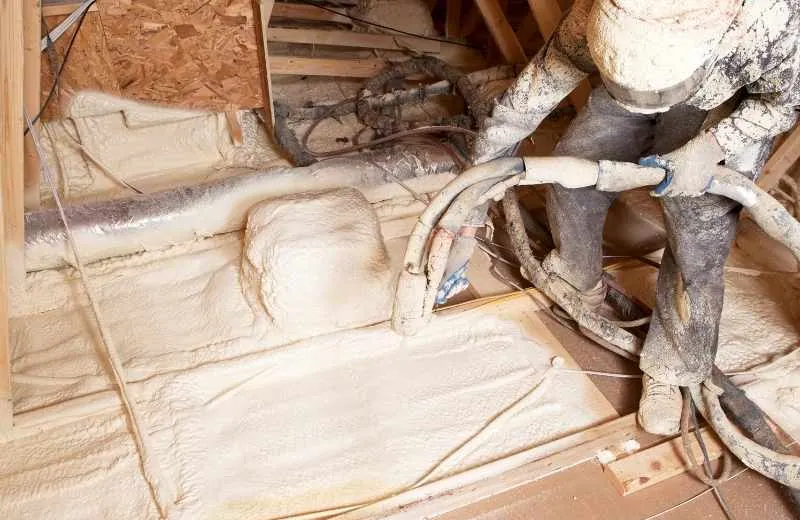
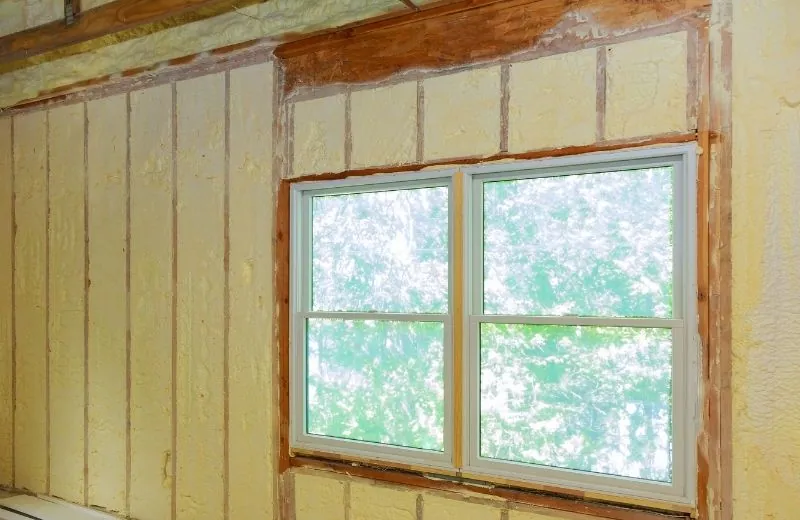
We apply open-cell or closed-cell spray foam that insulates and air-seals in one step. It's ideal for tricky spaces where batts and loose fill can't do the job well.

How we do it
Closed-cell foam gives high R-value per inch and a rigid air barrier, which makes it a good fit for garage ceilings and rim joists. Open-cell foam works well on rooflines and in sound-sensitive spaces. We mask, ventilate and trim cleanly.
In Kearny Valencia
Spray foam is our go-to for bonus rooms over hot garages in Bridgeport, Westridge and Stevenson Ranch, for vaulted ceilings with tight rafter bays and for sealing the rim joists and knee walls where Santa Ana dust gets in.
Best for
Rooms over garages, vaulted and cathedral ceilings, knee walls, rim joists and homeowners who want maximum air sealing in a small space.

Blown-In Insulation

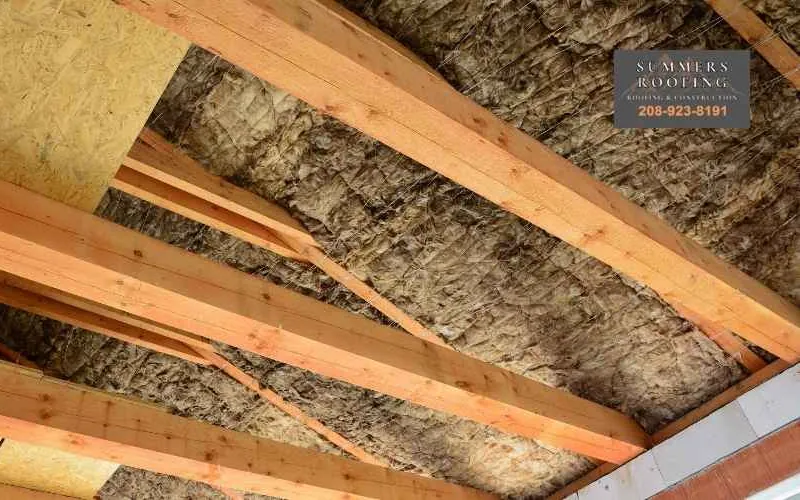
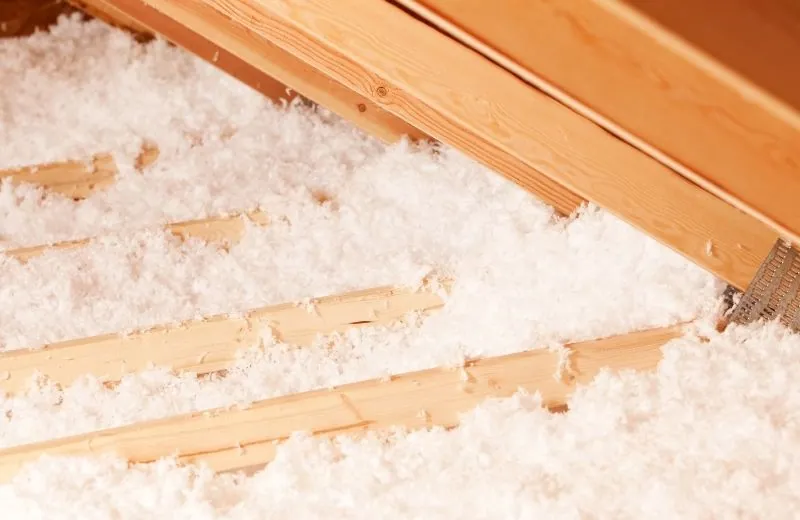
We install loose-fill fiberglass or cellulose with a blowing machine to cover attic floors evenly, fill in around obstacles and top up existing insulation without tearing everything out.

How we do it
We calibrate the blowing machine to the manufacturer's coverage chart, blow to a measured depth and keep material clear of recessed lights and eave vents. Drill-and-fill dense-pack is available for closed wall cavities.
In Kearny Valencia
Blown-in is the fastest, most cost-effective way to fix the settled and disturbed attics we see in Valencia Summit, Northpark and Saugus, and it fills the gaps left around solar conduit and new ductwork.
Best for
Attic top-offs, attics with lots of framing and obstructions, uninsulated stucco walls and budget-minded upgrades.

Insulation Installation

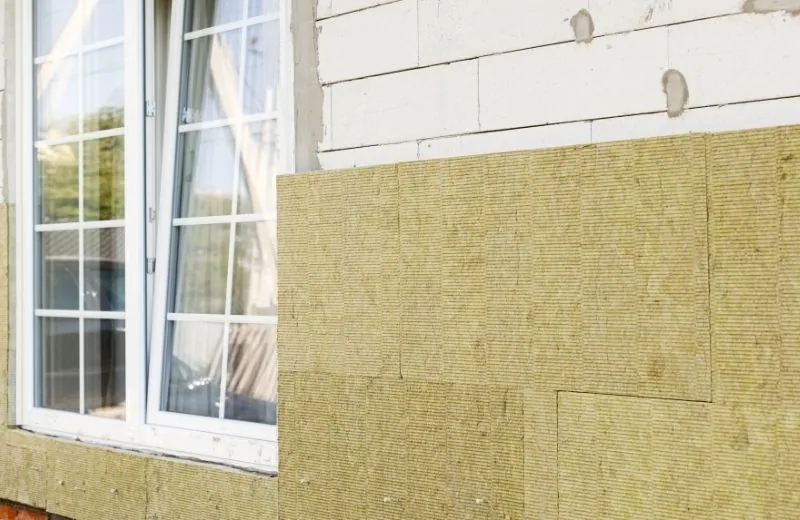
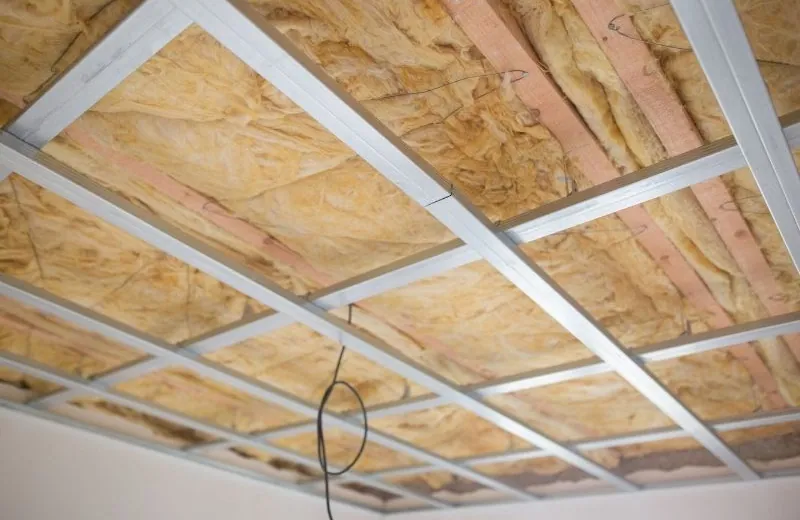
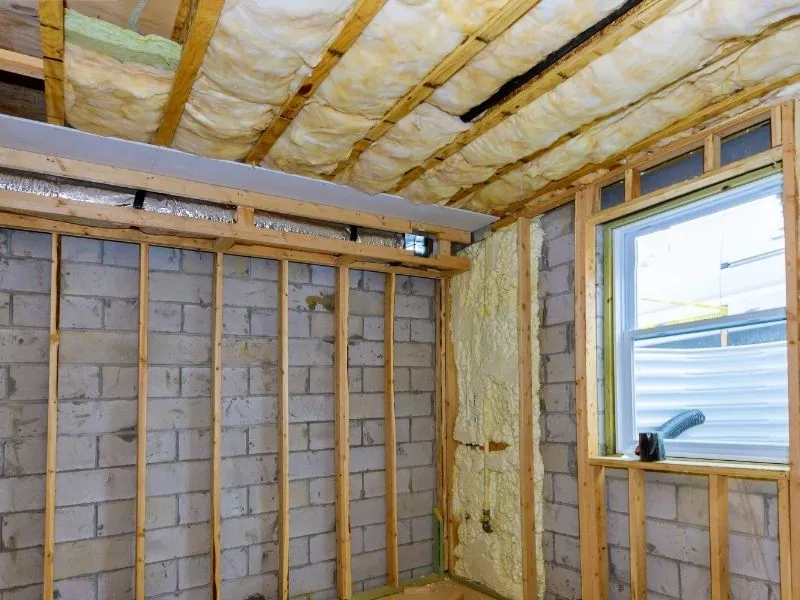
We handle full insulation installs in attics, walls, floors and garages, including fiberglass batts, rolls and rigid board, for remodels, additions and homes that need a complete upgrade.

How we do it
We fit batts tightly with no gaps, voids or compression, cut carefully around wiring and boxes, and pair the insulation with air sealing. We coordinate with your remodel schedule so walls are insulated before the drywall goes up.
In Kearny Valencia
During kitchen remodels, garage conversions and room additions around Valencia and Newhall, open walls are the perfect chance to fix the empty cavities common in 1960s–70s stucco homes before they're closed up for another 50 years.
Best for
Remodels, additions, garage conversions, open wall cavities and homeowners upgrading several areas at once.

Crawl Space Insulation

We insulate under-floor framing in raised-foundation homes so floors stay warmer on cold valley nights and the house doesn't lose heat through the subfloor.

How we do it
We install batts between floor joists with proper supports, seal gaps around plumbing and duct penetrations, and insulate any exposed ducts under the house. Most important, we check for pest entry points first.
In Kearny Valencia
Most Valencia homes are on slabs, but raised-foundation homes in older parts of Newhall, Saugus and Val Verde lose real heat when winter lows drop into the 30s. Crawl space work also closes common rodent routes.
Best for
Raised-foundation homes with cold floors, older homes with fallen or missing under-floor insulation, and crawl spaces with exposed ductwork.

Insulation Removal

We safely remove old, contaminated or damaged insulation with high-powered vacuum equipment, then clean and sanitize the attic so it's ready for new material.

How we do it
We run commercial vacuum hoses from the attic to a collection bag outside to keep the dust out of your living space, protect floors and walkways, and sanitize surfaces after rodent contamination. We document the attic before and after.
In Kearny Valencia
Rat and mouse problems are the main reason Santa Clarita homeowners call us for removal. We also pull out smoke-tainted insulation after fire seasons and the brittle, dust-loaded batts from first-phase Valencia homes.
Best for
Rodent-contaminated attics, smoke- or ash-affected insulation, water-damaged material and attics being prepped for a full upgrade.

Insulation Replacement

This is our complete start-over service. We remove the old insulation, fix the air leaks and entry points, then install a brand-new system sized to today's standards.

How we do it
We remove, sanitize, seal rodent entry points, air-seal the attic floor, baffle the eaves and blow or install new insulation to the R-38 to R-49 range. You get photos at each stage.
In Kearny Valencia
For Valencia Hills or Old Orchard attics with 50-year-old batts and a history of roof rats, replacement beats a top-off because you aren't burying contamination under new material. It's the cleanest long-term fix.
Best for
Homes with rodent history, failing original insulation, or owners planning to stay long term who want a clean, code-level attic.
Common problems

Common Insulation Problems in Valencia Homes

Most insulation problems in the Santa Clarita Valley come from a handful of causes: brutal summer heat, settling over the years, rodents, and contractors who disturb the attic and leave it that way. Here's what we find most often, how serious each one is and how we fix it.

Hot Upstairs Rooms and Overworked AC

Serious

In a two-story home, the upstairs runs 10°F or more hotter than the downstairs on summer afternoons. Bedrooms stay warm into the night, and the AC runs nearly nonstop without ever catching up. This is the complaint we hear most from Valencia homeowners.

Why it happens here: Valencia attics routinely pass 140°F during heat waves, and most local homes have their ductwork running through that attic. When ceiling insulation has settled below R-19 and the ducts leak, upstairs rooms take the heat from both directions. Commuter households make it worse because the house heat-soaks all day with the thermostat set back, and then the AC has to fight that stored heat during SCE's 4–9 pm peak pricing window. Two-story tract homes take it hardest because the upstairs ceiling sits right under the roof deck.

Signs

  • Upstairs is 8–15°F warmer than downstairs
  • Ceilings feel warm to the touch on summer afternoons
  • AC runs constantly but never reaches the set temperature
  • Summer SCE bills spike during peak-rate hours
  • Bedrooms stay hot until midnight or later
  • Supply vents upstairs blow weak or lukewarm air

Local patterns: We see this all over the two-story homes in Valencia Summit, Northpark and Northbridge, and in the large floor plans in Bridgeport and Westridge. It peaks from July through September, and the calls start coming in right after the first 100°F week.

Our fix: First we air-seal the attic floor. Then we blow in insulation to the R-38 to R-49 range, and we can seal or insulate the attic ducts where needed so cooled air actually reaches the upstairs rooms.

Rodent-Contaminated Insulation

Serious

Roof rats and mice tunnel through attic insulation, pack it down and nest in it, leaving droppings and urine behind. Contaminated insulation loses most of its R-value, can bring odors and allergens into the house and gives future pests an easy place to nest.

Why it happens here: Roof rats do well in Santa Clarita's mature landscaping, fruit trees and the greenbelts along the paseos. They get into attics through gaps at roof tiles, vents and utility openings, and once they're in, the warm, dry insulation is ideal nesting material. Valencia attics are so dry that droppings and debris just pile up instead of breaking down. A simple top-off would bury the contamination, so a proper fix means removing the old material, sanitizing and closing the entry points.

Signs

  • Scratching or scurrying overhead at night
  • Droppings in the attic or garage
  • Tunnels and flattened trails through the insulation
  • Musty or ammonia-like smell upstairs
  • Chewed wiring, duct wrap or vent screens
  • Nesting material near the eaves

Local patterns: This is common in older tracts near mature trees and the paseos, like Old Orchard, Valencia Glen and Valencia Meadows, and in Newhall and Saugus homes near open hillsides. Activity usually goes up as nights cool off in fall and winter.

Our fix: We vacuum out the contaminated insulation, sanitize the attic, seal the rodent entry points we find and then install new, clean insulation at current R-values.

Settled and Thinned Original Insulation

Moderate

Over decades, fiberglass batts and loose fill compress, shift and thin out. An attic that started at R-19 may be performing around R-11 now, with bare spots near the eaves and around the hatch. That's far below today's Climate Zone 9 expectations.

Why it happens here: Valencia's first homes went up in the 1960s and 1970s, when ceiling insulation requirements were a fraction of today's. Years of extreme heat, dry air and foot traffic from service techs have compressed whatever was installed. Since there's little moisture here to cause visible damage, many homeowners never look in the attic and assume the insulation is fine. Usually it's half the depth it should be, and most homes in these neighborhoods would benefit from an upgrade to R-38 or higher.

Signs

  • Insulation is level with or below the ceiling joists
  • Bare drywall visible in spots
  • Batts are gray, flattened or brittle
  • Uneven temperatures room to room
  • House cools down slowly in summer and loses heat fast in winter
  • Higher bills than similar homes nearby

Local patterns: This is typical in Valencia Hills, Old Orchard, Valencia Meadows and Valencia Glen, which date to the 1960s–70s, and in many 1980s homes across Saugus and Canyon Country. These original attics have usually never been touched.

Our fix: We air-seal the bypasses, then blow in fresh fiberglass or cellulose over the existing layer, or remove it first if it's damaged, to reach the R-38 to R-49 range.

Insulation Disturbed by Solar, HVAC and Cable Work

Moderate

Solar installers, HVAC crews and cable techs walk through attics, pull insulation aside to run lines and rarely put it back. That leaves bare patches, crushed paths and open gaps around new penetrations, which wipes out much of the attic's thermal performance.

Why it happens here: Rooftop solar is everywhere in Valencia, and the long cooling season means AC systems get replaced every 15–20 years. Every one of those projects sends someone across the attic. Many 1990s homes also had attic repairs after the 1994 Northridge earthquake that left the insulation patchy. Newer homes in Bridgeport and FivePoint communities aren't immune either. A single solar install can leave whole sections of a code-level attic uncovered.

Signs

  • Visible paths or trenches through the insulation
  • Bare spots near new conduit or ductwork
  • Insulation piled in mounds around the hatch
  • A room that got hotter after solar or AC work
  • Gaps around new roof or wall penetrations

Local patterns: We find this in solar-equipped homes across Northbridge, Bridgeport, Westridge and Tesoro del Valle, and in 1990s Valencia Summit and Northpark attics after AC replacements. It usually turns up a season after the work was done.

Our fix: We seal the new penetrations, level out the existing material and blow in insulation to restore an even, full-depth layer across the whole attic.

Bonus Rooms and Bedrooms Over Hot Garages

Moderate

Living space above an attached garage loses heat in winter and picks it up in summer through the garage ceiling and the knee walls. The bonus room ends up as the hottest, coldest and least-used room in the house.

Why it happens here: Attached garages are standard in Valencia, and newer floor plans often put a bonus room or bedroom right over them. On summer afternoons, an unconditioned garage with a west-facing door can easily reach 110°F or more. With thin floor insulation or gaps where the joists meet, that heat moves straight up. Vaulted ceilings and knee walls above add even more exposure to attic heat.

Signs

  • Floor feels warm in summer and cold in winter
  • Room is noticeably hotter than the rest of the upstairs
  • Car exhaust or garage smells in the room
  • Drafts along the baseboards
  • AC vent can't keep the room comfortable

Local patterns: This is very common in the larger 2000s-and-newer homes in Bridgeport, Westridge, Northbridge, Tesoro del Valle and Copper Hill, along with many Stevenson Ranch floor plans that have bonus rooms.

Our fix: Closed-cell or open-cell spray foam on the garage ceiling and knee walls, or dense-pack insulation in the floor cavities, plus air sealing at the rim joists.

Smoke and Dust Entry Through Attic Leaks

Emergency

Unsealed can lights, top plates, plumbing chases and attic hatches let air move between the attic and your living space. During Santa Ana wind events and wildfires, that air carries fine dust, smoke and ash into the house.

Why it happens here: Santa Clarita is ringed by fire-prone hills, and the valley has lived through the Tick, Sand and 2003-era fires. Santa Ana winds push smoke and dust right through attic vents, and leaky ceilings pull it into the house. In Very High Fire Hazard Severity Zones, old non-rated vents also let embers into the attic, where combustible materials can catch.

Signs

  • Dust lines on carpet edges or around ceiling fixtures
  • Smoke smell indoors during fire events
  • Black streaks on insulation around can lights
  • Drafts from recessed lights or the attic hatch
  • Allergies flare during Santa Ana winds

Local patterns: This hits hillside-edge homes in Valencia Hills, Tesoro del Valle, Castaic and Canyon Country the hardest. It shows up most from September through January, when Santa Anas and fire season overlap.

Our fix: We do a full attic air-seal and use noncombustible insulation. We can also coordinate ember-resistant vent upgrades that meet Chapter 7A in fire-hazard zones.

Uninsulated Exterior Walls

Minor

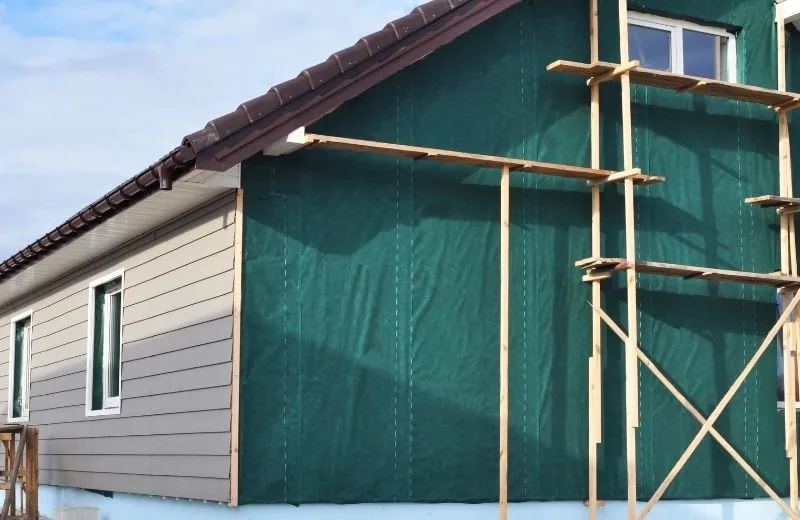
Many older stucco homes were built with little or no insulation in the exterior walls. Even with a well-insulated attic, the walls keep radiating afternoon heat into the house long after sunset.

Why it happens here: Valencia's 1960s and early-1970s tracts went up before California had meaningful energy codes. Paired with single-pane aluminum windows, uninsulated stucco walls on west and south faces soak up the strong valley sun all afternoon. On frosty winter nights they leak heat back out, so gas bills go up too.

Signs

  • Exterior walls feel warm inside on summer evenings
  • Walls feel cold in winter
  • Rooms on the west side are hardest to cool
  • An outlet cover removed shows no insulation
  • Big swings between day and night indoor temperatures

Local patterns: This is mostly a first-phase problem, in Valencia Hills, Old Orchard, Valencia Meadows and older parts of Newhall. It often comes up during kitchen or bath remodels when the walls are open.

Our fix: Drill-and-fill blown insulation through small exterior or interior holes, or batts and spray foam installed during remodels when the wall cavities are open.

Process

Our Insulation Process, Start to Finish

We keep it simple and transparent. You'll know what's in your attic, what we recommend and why, what it costs and exactly when we'll be at your home. No pressure, and no surprises on the invoice.

  1. Free Consultation and Attic Assessment Usually within a few days of your call. Visits take about 45–60 minutes.

    • We measure the current insulation depth and estimate the R-value
    • We look for rodent activity, contamination and air leaks
    • We check ducts, can lights, the hatch and eave ventilation
    • We photograph the conditions so you can see what we see

    Local note: In summer we schedule attic inspections for the morning, before the attic gets dangerously hot.

  2. Clear Recommendation and Written Quote Same day or within 1–2 business days

    • We explain the options in plain language: top-off, removal or replacement
    • We give R-value targets for Climate Zone 9
    • We provide itemized pricing with no hidden add-ons
    • We discuss financing and any rebates that may currently apply

    Local note: If your project is bundled with HVAC, re-roofing or electrical work, we'll flag any permit or Title 24 requirements up front.

  3. Scheduling and Prep Typically 1–2 weeks out. Peak heat-wave season may take longer.

    • We confirm a date that works around your schedule
    • We coordinate with your HVAC, solar or roofing contractor if needed
    • We protect floors, furniture and walkways before starting

    Local note: We'll let you know if your HOA needs to review any exterior vent changes.

  4. Installation Day Most attic jobs take one day. Removal plus replacement usually takes 1–2 days.

    • We remove and sanitize where needed
    • We air-seal penetrations, top plates and the hatch
    • We install baffles and insulation to the target depth
    • We keep material clear of light fixtures and vents

    Local note: We plan attic work for the cooler early hours during heat waves to protect quality and crew safety.

  5. Walkthrough and Documentation At the end of the job

    • We review the work with you, including before-and-after photos
    • We confirm the installed depth and R-value
    • We clean the work areas thoroughly
    • We answer questions about what to expect from your next bills

    Local note: Most homeowners notice cooler upstairs rooms during the first hot afternoon after we finish.

Why choose us

Why Valencia Homeowners Choose Us

We Know Santa Clarita Valley Attics

An attic in Valencia Hills from 1968 isn't the same as one in a 2015 Bridgeport home, and we don't treat them the same way. We know which tracts tend to have bare walls, which 1990s neighborhoods usually have crushed blown fiberglass after AC replacements, and which newer floor plans have bonus rooms that bake over the garage. That local pattern recognition means faster diagnoses, recommendations that fit your house and no wasted money on solutions built for a different climate. We plan every job around inland valley heat, Santa Ana dust and the rodents that come with mature landscaping.

Bonded and Insured for Your Protection

You're letting a crew into your attic, which sits above your ceilings, wiring and ductwork. Valencia Insulation Experts is bonded and insured, so you're protected if something unexpected happens on the job. We encourage every homeowner to ask any insulation contractor for proof of coverage, and to check their CSLB license before signing anything. California requires insulation contractors to hold a license, typically a C-2 Insulation and Acoustical or a B General Building license. Working with a properly covered company is one of the simplest ways to avoid a bad outcome.

Insulation Is Our Focus

We're not a handyman service that does insulation on the side, and we're not a solar company tacking it onto a sale. Insulation installation, spray foam and attic work are what we do. That focus shows in the details that matter: sealing top plates before insulating, baffling eaves so ventilation keeps working, keeping material off recessed lights and blowing to a measured depth. Those details decide whether your upgrade actually cools the upstairs or just adds fluff to the attic.

Honest, Itemized Pricing

Valencia homeowners do their research, and we respect that. Your quote spells out what we're doing, how much material we're installing, the target R-value and what each part costs. If a top-off will do the job, we'll tell you, and we won't push a full replacement you don't need. If your attic really does need removal because of rodent contamination, we'll show you photos so you can see why. You'll have time to compare and decide without any pressure.

Financing That Makes Upgrades Doable

A big summer bill or a rodent discovery doesn't always line up with your budget. We offer financing so you can fix the problem now instead of suffering through another heat wave. That's especially helpful for full removal and replacement projects, or when you're combining attic work with spray foam over the garage. We'll walk you through the options during your quote so you can choose the payment approach that works for your household.

Clean, Respectful Work in Your Home

We treat your home the way we'd want ours treated. We protect floors and walkways, run removal hoses so debris goes straight outside and clean up thoroughly before we leave. We show up when we say we will and keep you updated throughout. From the first visit to the final walkthrough, the goal is a simple process with no mess and no guesswork, and an upstairs that finally feels comfortable.

Responsive During Peak Season

Most homeowners decide to insulate right after a 105°F week or a painful SCE bill, which means everyone calls at once. We plan for that rush and work to schedule assessments quickly within our 20-mile service area. Attic work during heat waves gets scheduled for early mornings to protect quality and safety. If you're dealing with rodents or smoke in the attic, tell us when you call, and we'll prioritize getting eyes on the problem.

  • Bonded & Insured
  • Financing Available
About us

Trusted by Santa Clarita Valley Homeowners

Valencia homeowners pick us for straight answers, honest pricing and clean, careful work, from the first attic inspection to the final walkthrough. Many of our projects come from neighbors who recommend us to neighbors.

  • Bonded
  • Insured
  • Financing Available
Service areas

Areas We Serve Around Valencia

We're based around Kearny Valencia and serve homeowners throughout the Santa Clarita Valley. Whether your home is a 1960s ranch near the paseos or a new build on the west side, we know the construction and the conditions in your neighborhood.

Valencia's Established Neighborhoods

  • Valencia Hills · First-phase 1960s–70s homes with original, settled insulation
  • Old Orchard · Mature trees, roof rats and thin original batts
  • Valencia Glen · Older tract homes ready for full attic upgrades
  • Valencia Meadows · Ranch homes that often have uninsulated stucco walls
  • Valencia Summit · 1980s–90s two-stories with hot upstairs bedrooms
  • Northpark · Tile roofs and crushed blown fiberglass

Newer West-Side and North Valencia Communities

  • Bridgeport · Bonus rooms over garages and solar-disturbed attics
  • Northbridge · Large two-story plans with vaulted ceilings
  • Westridge · Upscale homes where comfort-zone tuning matters
  • Tesoro del Valle · Hillside-edge homes in fire-hazard areas
  • Stevenson Ranch · Unincorporated, under LA County permitting

Greater Santa Clarita Valley

  • Saugus · 1980s–90s tracts with aging attic insulation
  • Newhall · Older homes, some on raised foundations
  • Canyon Country · Hot east-valley summers and canyon dust
  • Castaic · Wildfire-adjacent homes that need air sealing

We serve homes within a 20-mile radius of Valencia. Not sure if you're in range? Contact us and we'll confirm.

Pricing

What Insulation Costs in Valencia

Most Valencia insulation projects fall between about $1,800 and $10,000. Where yours lands depends on attic size, what has to come out first and which materials fit the space. Below are the main cost drivers and some typical local project ranges.

Attic top-off in a 1980s–90s two-storyValencia Summit or Saugus home, about 1,200 sq ft attic, air sealing plus blown fiberglass from about R-19 up to R-38–R-49$2,200 – $4,200
Rodent cleanup and full attic replacementOld Orchard or Valencia Hills ranch home, about 1,500 sq ft attic, removal, sanitizing, entry-point sealing, air sealing and new insulation to R-38+$5,000 – $9,500
Spray foam over a garage bonus roomBridgeport or Westridge home, about 400–500 sq ft garage ceiling plus knee walls and rim joists$3,500 – $7,500
Drill-and-fill exterior walls1960s–70s Valencia Meadows stucco home, about 1,400 sq ft of living space, dense-pack blown insulation in the exterior walls$3,500 – $7,000
Primary Factor

Removal and Contamination

Whether the old insulation can stay is the single biggest swing in price. Blowing new material over clean, settled fiberglass is relatively inexpensive. If roof rats or mice have contaminated it, or wildfire smoke has tainted it, everything has to come out and the attic needs sanitizing before anything new goes in. Removal plus sanitizing often adds $1.50–$3.00 per square foot of attic, plus rodent entry sealing.

Primary Factor

Square Footage and Target R-Value

Larger attics need more material, and reaching R-49 takes more depth than R-38. A 1,400 sq ft single-story ranch in Old Orchard costs far less to insulate than a 3,000 sq ft Northbridge home with a big attic footprint. Your starting depth also matters. An attic already at R-19 needs less added material than one that has settled to R-11.

Secondary Factor

Material Choice

Blown fiberglass and cellulose are the most cost-effective options for open attic floors. Fiberglass batts make sense for open walls and floors. Spray foam costs considerably more per square foot, but it insulates and air-seals in one step, which makes it worth it for garage ceilings, vaulted rooflines and rim joists where other materials fall short.

Secondary Factor

Air Sealing and Prep Work

Sealing can lights, top plates, plumbing chases and the attic hatch adds labor, but it's where much of the comfort gain comes from, especially for keeping out Santa Ana dust and smoke. Installing eave baffles, insulating the hatch and building dams around equipment add modest cost and protect the performance of everything else.

Variable Factor

Access and Attic Conditions

Low-pitch tile-roof attics, tight crawl spaces, solar conduit runs and crowded HVAC platforms slow the work down. Projects tied to HVAC replacement or re-roofing may also involve permits or Title 24 requirements, which can add coordination time and cost.

Financing is available, so you can upgrade before the next heat wave instead of waiting. Ask about the options during your free quote.

Federal tax credits and SCE, SoCalGas or state incentive programs may apply to insulation and air sealing. Availability changes, so we'll help you check what's currently offered. And keep in mind that lower cooling loads during SCE's peak hours pay you back every summer.

FAQ

Insulation FAQs for Valencia Homeowners

How much does attic insulation cost in Valencia?

Most attic top-offs in Valencia cost about $2,000–$4,500, depending on attic size and how much depth you need to add. If the old insulation has to come out because of rodent contamination or smoke damage, full removal and replacement usually runs about $5,000–$9,500. Spray foam over a garage bonus room typically lands between $3,500 and $7,500. The biggest variables are square footage, your target R-value, air sealing and whether removal is needed. We give free, itemized quotes after looking at your attic, so you'll know the actual number for your home rather than a ballpark.

What R-value should my Valencia attic have?

The Santa Clarita Valley is in California Climate Zone 9, where current Title 24 standards call for high ceiling-insulation levels, roughly R-38 to R-49 depending on the project. Many Valencia homes built in the 1960s through the 1990s are sitting around R-11 to R-19 after decades of settling. That's well under half of today's target. Bringing your attic into the R-38 to R-49 range, along with proper air sealing, is usually the most noticeable comfort upgrade you can make for hot upstairs rooms.

How long does an insulation project take?

Most attic top-offs take a single day, often just a few hours of actual blowing time once the air sealing is done. Removal and replacement projects usually take one to two days because the old material has to be vacuumed out and the attic sanitized before new insulation goes in. Spray foam jobs over garages typically take a day, plus a short ventilation period. Scheduling is usually one to two weeks out, though demand jumps after summer heat waves, so booking in spring or fall gets you in sooner.

Do I need a permit for insulation work in Santa Clarita?

A straightforward attic top-off usually involves light oversight. Permits generally come into play when insulation is bundled with HVAC replacement, duct work, re-roofing or electrical changes. Duct replacements trigger Title 24 requirements, including duct sealing and HERS leakage testing. Most Valencia homes fall under the City of Santa Clarita's Building & Safety Division, while Stevenson Ranch, Castaic and Val Verde go through LA County Public Works. In Very High Fire Hazard Severity Zones, vent changes must meet wildfire rules. We'll point out any requirements during your quote.

Should I add insulation on top or remove the old insulation first?

If your existing insulation is dry, clean and just settled, adding new material on top is usually the smart, cost-effective choice. Removal makes sense when there's rodent contamination such as droppings, urine or nesting, smoke or ash from a wildfire, water damage or brittle, debris-loaded batts. Blowing new insulation over contaminated material just buries the problem and the odors. During your free assessment, we photograph what's in your attic and explain which approach fits, so you can see the reasoning for yourself.

How do I keep rodents and dust out of my attic after new insulation?

Prevention starts with sealing. During removal and replacement, we close common rodent entry points we find at the attic level and air-seal gaps around can lights, top plates, plumbing chases and the attic hatch. Those same gaps are how Santa Ana dust and wildfire smoke get into your home. After that, trim tree branches back from the roofline, keep fruit picked up, check roof tiles and vent screens every year, and call a pest professional at the first sign of scratching. Catching rodents early saves you from replacing insulation again.

When is the best time to insulate a home in Valencia?

The best time is before you need it. Late winter through spring is ideal because attics are cooler, scheduling is easier and you'll be ready before the first 100°F week. That said, act right away if you notice droppings or scratching in the attic, a smoke smell indoors during fire events, upstairs rooms more than 10°F hotter than downstairs or a sudden jump in SCE bills. Insulation that's contaminated or badly disturbed won't improve on its own, and every summer you wait is another season of peak-rate cooling costs.

Is spray foam better than blown-in insulation?

Neither one is better everywhere. Each fits different spaces. Blown-in fiberglass or cellulose is the most cost-effective option for open attic floors, which covers the majority of Valencia attics. Spray foam costs more but air-seals and insulates in one step, so it's the better choice for garage ceilings under bonus rooms, vaulted ceilings with tight rafter bays, knee walls and rim joists. Many homes do best with a combination: blown-in across the main attic and spray foam over the garage. We'll recommend what fits your floor plan and budget.

Get in touch

Get a Cooler, Cleaner Attic Before the Next Heat Wave

Don't put up with another summer of hot bedrooms and peak-hour bills. Let's take a look at your attic, show you what's really up there and give you a clear, honest plan.

  • Free attic assessment and no-obligation written quote
  • Photos of your attic's current condition
  • Clear R-value targets for Climate Zone 9
  • Itemized, honest pricing with no surprise add-ons
  • Bonded and insured crew that treats your home with care
  • Financing available to fit your budget
  • Help checking available rebates and tax credits

Serving Valencia, Saugus, Newhall, Canyon Country, Stevenson Ranch, Castaic and homes within 20 miles.

Found rodent droppings or smelled smoke coming from the attic? Mention it when you call, and we'll prioritize your assessment.

Request your free estimate

No obligation. Fast, honest quotes.

🔒 Your information is never shared.

Find us

Serving Kearny Valencia, CA & nearby

Address25028 Avenue, Kearny Valencia, CA, 91355
Phone661-466-5287
HoursMonday - Sunday: 7AM - 7PM
Get directions
Call nowFree estimate